
OUR SERVICE AREA
Phone: (715) 696-6446
Email: cleankill@cleankillpc.com
Mailing Address:
PO Box 26
Niagara, WI 54151
Copyright © 2026 Clean Kill Pest Control LLC.
Site design & hosting by North Country Website Design↗
Upper Peninsula and
Northern Wisconsin
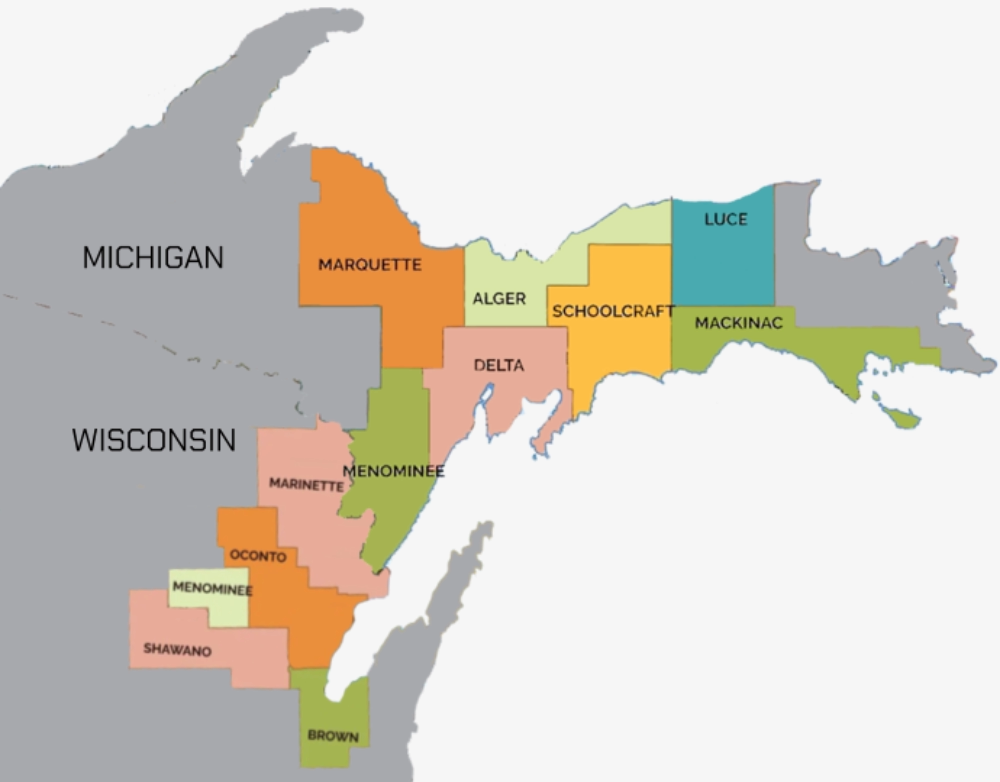

COUNTIES SERVICED
MICHIGAN AND WISCONSIN
Alger County
Brown County
Delta County
Luce County
Mackinac County
Marinette County
Marquette County
Menominee Counties
Oconto County
Schoolcraft County
Shawano County

- IDENTIFY A PEST -
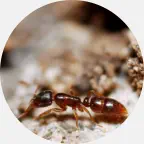
- ANTS -
Latin Name: Family Formicidae
Length: 1/16-5/8 in
Color: Red, Brown or Black
Sounds: ---
Digestive Tract: Yes
PEST OVERVIEW
There are several species of ants such as little black ants, acrobat ants, pavement ants, carpenter ants, and many more. Ants can be huge
nuisance and recently have become the primary pest infesting homes in recent years. They are very difficult to control and usually takes
some skill that is gained through knowledge of ant behavior and experience in dealing with ants.
Ants live in colonies and are social insects that have several different types or castes of individuals. Each caste performs a different function
or job in the colony. Ant colonies consist of Workers, Reproductives and Swarmers. Ant colonies will mature and spread to new locations.
WHY DO I HAVE THEM?
Ant colonies will send out “scouts” to forage for food and fuel in warmer weather. The foraging ants will leave a scent trail to find their way
home and leave a path that other ants can follow. Ants can enter your home for many reasons, but more than likely, they are searching for
food. Your home maybe close to where a queen decided to set up her colony. Just like humans, ants have to eat to survive. They also have to
feed their young.
Your home may represent a possible food and water source. It also provides protection from predators and the elements which can serve as a
potential site for new colonies when the ants are ready to expand. If you see an ant in your home, don’t just kill it and think you’re done. As a
social insect, ants never travel alone. When you kill an ant, it sends out a signal to call for other ants.
TIPS FOR CONTROL
To get your pest problem under control, inspection is the first and foremost step. This holds true whether you are tackling the situation
yourself or you are interested in a free estimate from our trained, experienced staff. The correct identification of the ant is critical as they do
have different behaviors, habits and habitats. Inspect the property to determine entry points into your home and the location of the nest.
Additional tips for prevention:
•
Minimize moisture inside/outside of the home
•
Remove food particles in kitchen
•
Don’t leave dirty dishes in sink
•
Emply and clean trash containers
•
Sweep food particles off floor
•
Clean around grilling areas outside
•
Seal holes and cracks in home exterior
•
Move debris away from home


OUR SERVICE AREA
Phone: (715) 696-6446
Email: cleankill@cleankillpc.com
Mailing Address:
PO Box 26
Niagara, WI 54151
Copyright © 2026 Clean Kill Pest Control LLC.
Site design & hosting by North Country Website Design↗
Upper Peninsula and
Northern Wisconsin
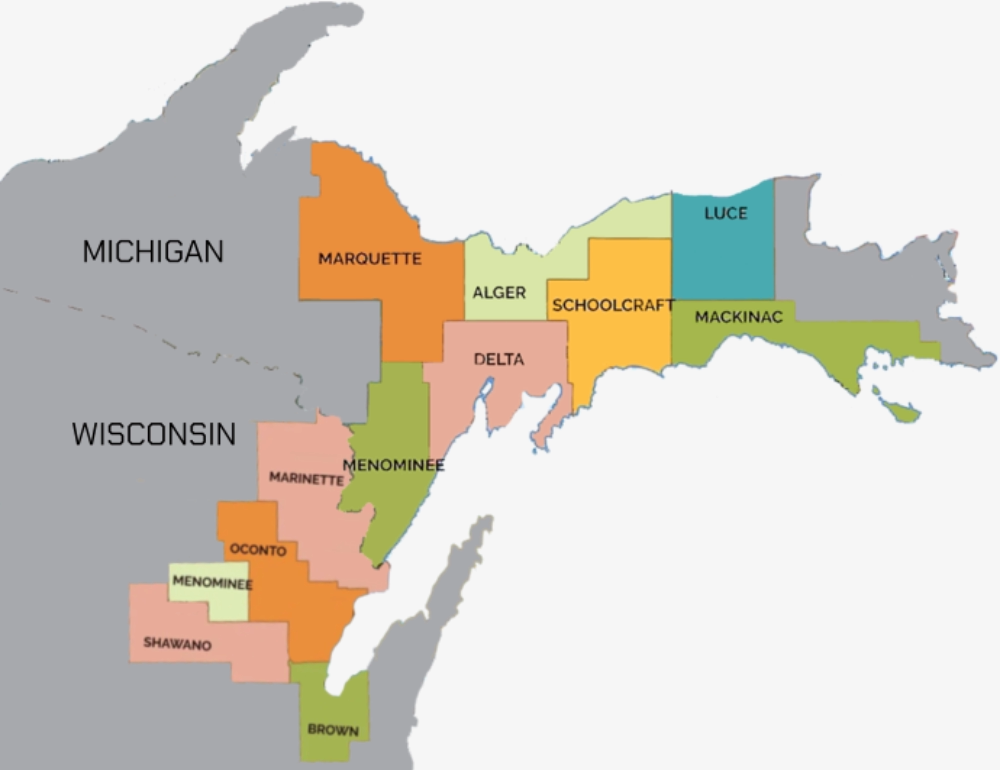

COUNTIES SERVICED
MICHIGAN AND WISCONSIN
Alger County
Brown County
Delta County
Luce County
Mackinac County
Marinette County
Marquette County
Menominee Counties
Oconto County
Schoolcraft County
Shawano County

- IDENTIFY A PEST -
- ANTS -
Latin Name: Family Formicidae
Length: 1/16-5/8 in
Color: Red, Brown or Black
Sounds: ---
Digestive Tract: Yes
PEST OVERVIEW
There are several species of ants such as little black ants, acrobat ants, pavement ants, carpenter ants, and many
more. Ants can be huge nuisance and recently have become the primary pest infesting homes in recent years. They
are very difficult to control and usually takes some skill that is gained through knowledge of ant behavior and
experience in dealing with ants.
Ants live in colonies and are social insects that have several different types or castes of individuals. Each caste
performs a different function or job in the colony. Ant colonies consist of Workers, Reproductives and Swarmers.
Ant colonies will mature and spread to new locations.
WHY DO I HAVE THEM?
Ant colonies will send out “scouts” to forage for food and fuel in warmer weather. The foraging ants will leave a
scent trail to find their way home and leave a path that other ants can follow. Ants can enter your home for many
reasons, but more than likely, they are searching for food. Your home maybe close to where a queen decided to set
up her colony. Just like humans, ants have to eat to survive. They also have to feed their young.
Your home may represent a possible food and water source. It also provides protection from predators and the
elements which can serve as a potential site for new colonies when the ants are ready to expand. If you see an ant
in your home, don’t just kill it and think you’re done. As a social insect, ants never travel alone. When you kill an ant,
it sends out a signal to call for other ants.
TIPS FOR CONTROL
To get your pest problem under control, inspection is the first and foremost step. This holds true whether you are
tackling the situation yourself or you are interested in a free estimate from our trained, experienced staff. The
correct identification of the ant is critical as they do have different behaviors, habits and habitats. Inspect the
property to determine entry points into your home and the location of the nest. Additional tips for prevention:
•
Minimize moisture inside/outside of the home
•
Remove food particles in kitchen
•
Don’t leave dirty dishes in sink
•
Emply and clean trash containers
•
Sweep food particles off floor
•
Clean around grilling areas outside
•
Seal holes and cracks in home exterior
•
Move debris away from home


OUR SERVICE AREA
Phone: (715) 696-6446
Email: cleankill@cleankillpc.com
Mailing Address:
PO Box 26
Niagara, WI 54151
Copyright 2026 Clean Kill Pest Control LLC.
Upper Peninsula and Northern Wisconsin
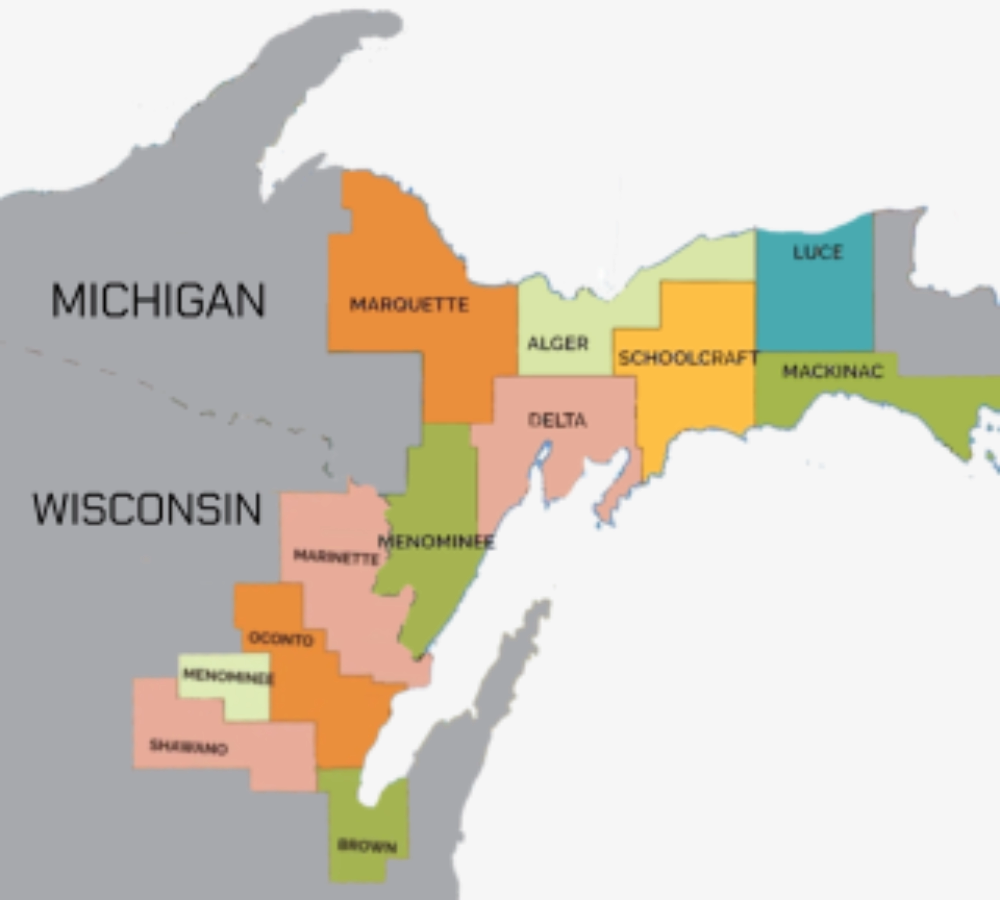

COUNTIES SERVICED
MICHIGAN AND WISCONSIN
Alger County
Brown County
Delta County
Luce County
Mackinac County
Marinette County
Marquette County
Menominee Counties
Oconto County
Schoolcraft County
Shawano County
- IDENTIFY A PEST -
- ANTS -
Latin Name: Family Formicidae
Length: 1/16-5/8 in
Color: Red, Brown or Black
Sounds: ---
Digestive Tract: Yes
PEST OVERVIEW
There are several species of ants such as little
black ants, acrobat ants, pavement ants,
carpenter ants, and many more. Ants can be
huge nuisance and recently have become the
primary pest infesting homes in recent years.
They are very difficult to control and usually
takes some skill that is gained through
knowledge of ant behavior and experience in
dealing with ants.
Ants live in colonies and are social insects that
have several different types or castes of
individuals. Each caste performs a different
function or job in the colony. Ant colonies
consist of Workers, Reproductives and
Swarmers. Ant colonies will mature and spread
to new locations.
WHY DO I HAVE THEM?
Ant colonies will send out “scouts” to forage for
food and fuel in warmer weather. The foraging
ants will leave a scent trail to find their way
home and leave a path that other ants can
follow. Ants can enter your home for many
reasons, but more than likely, they are
searching for food. Your home maybe close to
where a queen decided to set up her colony.
Just like humans, ants have to eat to survive.
They also have to feed their young.
Your home may represent a possible food and
water source. It also provides protection from
predators and the elements which can serve as
a potential site for new colonies when the ants
are ready to expand. If you see an ant in your
home, don’t just kill it and think you’re done. As
a social insect, ants never travel alone. When
you kill an ant, it sends out a signal to call for
other ants.
TIPS FOR CONTROL
To get your pest problem under control,
inspection is the first and foremost step. This
holds true whether you are tackling the
situation yourself or you are interested in a free
estimate from our trained, experienced staff.
The correct identification of the ant is critical
as they do have different behaviors, habits and
habitats. Inspect the property to determine
entry points into your home and the location of
the nest. Additional tips for prevention:
•
Minimize moisture inside/outside of the
home
•
Remove food particles in kitchen
•
Don’t leave dirty dishes in sink
•
Emply and clean trash containers
•
Sweep food particles off floor
•
Clean around grilling areas outside
•
Seal holes and cracks in home exterior
•
Move debris away from home
