
OUR SERVICE AREA

Phone: (715) 696-6446
Email: cleankill@cleankillpc.com
Mailing Address:
PO Box 26
Niagara, WI 54151
Copyright © 2026 Clean Kill Pest Control LLC.
Site design & hosting by North Country Website Design↗
Upper Peninsula and
Northern Wisconsin
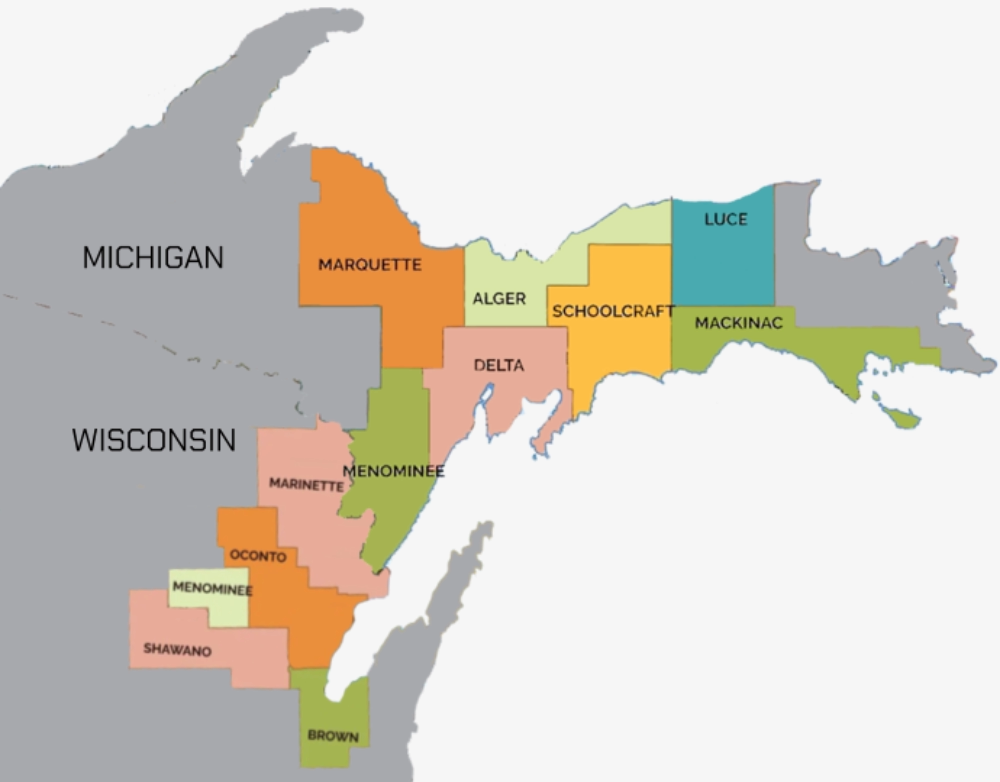

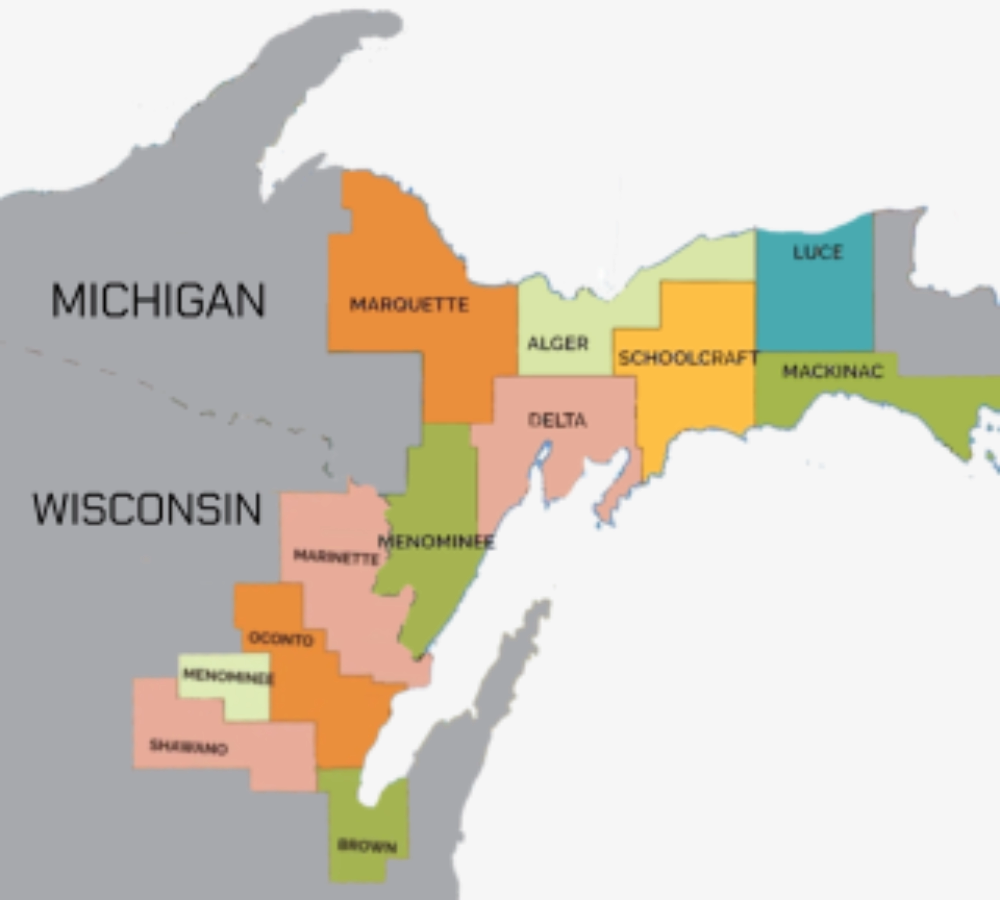
COUNTIES SERVICED
MICHIGAN AND WISCONSIN
Alger County
Brown County
Delta County
Luce County
Mackinac County
Marinette County
Marquette County
Menominee Counties
Oconto County
Schoolcraft County
Shawano County

- IDENTIFY A PEST -
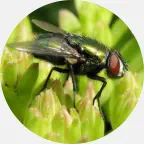
- BOTTLE FLIES -
Latin Name: Lucilia Sericata
Length: 0.5 in
Color: Metallic Blue or Green
Sounds: Buzzing Sound
Digestive Tract: Yes
PEST OVERVIEW
Bottle flies or Blow flies are known for their distinctive metallic green or blue color. They create a persistent buzzing sound and feed on
decaying meat which makes them transmitters of diseases. These flies lay their eggs on dead carcasses or rotting flesh producing fly larvae
or maggots until they hatch. Females can lay up to 180 eggs at a time.
Typically bottle flies are found outdoors, but if you have a large number of bottle flies inside, an indoor breeding site may have been
established. The presence of bottle fly larvae indoors may also be evidence of an infestation.
WHY DO I HAVE THEM?
An indoor infestation usually means there is evidence of decaying meat within the home. It could be as simple as a piece of meat stuck in the
garbage disposal or a mouse in a trap that hasn’t been discarded. It could also mean a rodent or animal is decaying in a wall or attic area that
isn’t accessible.
If it is the latter try to identify the rotting carcass by smell and look for evidence of fly larvae to trace back to the breeding area.
TIPS FOR CONTROL
To get your pest problem under control, inspection is the first and foremost step. This holds true whether you are tackling the situation
yourself or you are interested in a free estimate from our trained, experienced staff. Additional tips for prevention:
•
Remove material where flies can lay their eggs
•
Garbage cans and dumpster should have tight fitting lids
•
Trash cans should be cleaned weekly
•
Inspect doors, screens and patch exterior holes
•
Examine sewage pipes for leaks


OUR SERVICE AREA
Phone: (715) 696-6446
Email: cleankill@cleankillpc.com
Mailing Address:
PO Box 26
Niagara, WI 54151
Copyright © 2026 Clean Kill Pest Control LLC.
Site design & hosting by North Country Website Design↗
Upper Peninsula and
Northern Wisconsin
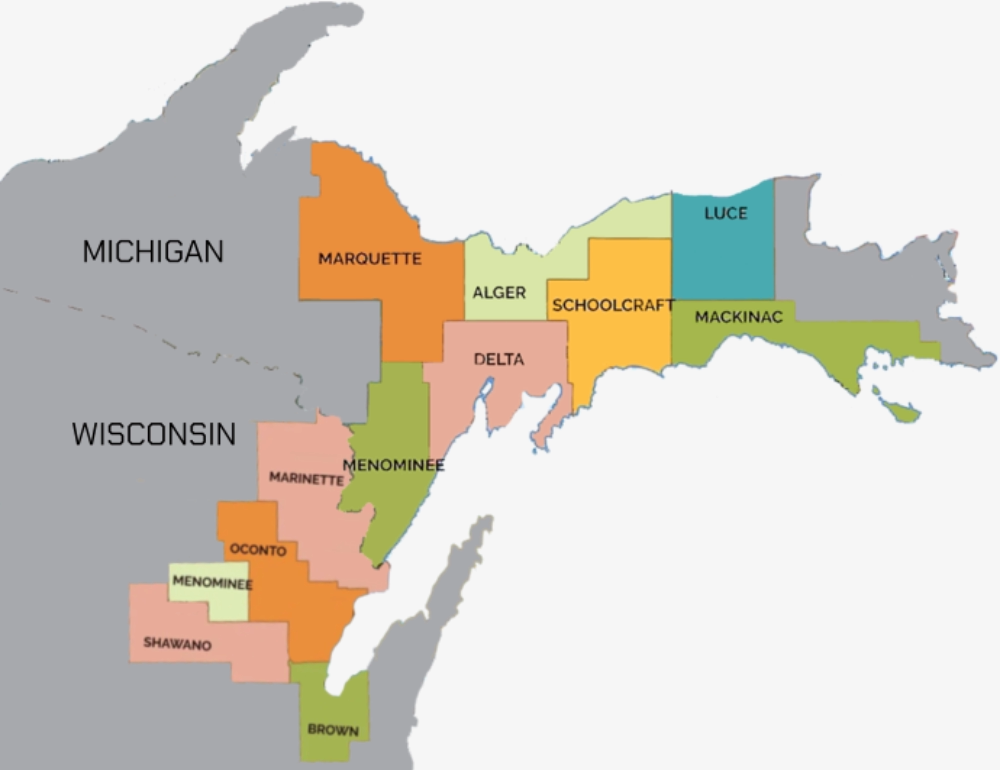

COUNTIES SERVICED
MICHIGAN AND WISCONSIN
Alger County
Brown County
Delta County
Luce County
Mackinac County
Marinette County
Marquette County
Menominee Counties
Oconto County
Schoolcraft County
Shawano County

- IDENTIFY A PEST -
- BOTTLE FLIES -
Latin Name: Lucilia Sericata
Length: 0.5 in
Color: Metallic Blue or Green
Sounds: Buzzing Sound
Digestive Tract: Yes
PEST OVERVIEW
Bottle flies or Blow flies are known for their distinctive metallic green or blue color. They create a persistent buzzing
sound and feed on decaying meat which makes them transmitters of diseases. These flies lay their eggs on dead
carcasses or rotting flesh producing fly larvae or maggots until they hatch. Females can lay up to 180 eggs at a
time.
Typically bottle flies are found outdoors, but if you have a large number of bottle flies inside, an indoor breeding
site may have been established. The presence of bottle fly larvae indoors may also be evidence of an infestation.
WHY DO I HAVE THEM?
An indoor infestation usually means there is evidence of decaying meat within the home. It could be as simple as a
piece of meat stuck in the garbage disposal or a mouse in a trap that hasn’t been discarded. It could also mean a
rodent or animal is decaying in a wall or attic area that isn’t accessible.
If it is the latter try to identify the rotting carcass by smell and look for evidence of fly larvae to trace back to the
breeding area.
TIPS FOR CONTROL
To get your pest problem under control, inspection is the first and foremost step. This holds true whether you are
tackling the situation yourself or you are interested in a free estimate from our trained, experienced staff.
Additional tips for prevention:
•
Remove material where flies can lay their eggs
•
Garbage cans and dumpster should have tight fitting lids
•
Trash cans should be cleaned weekly
•
Inspect doors, screens and patch exterior holes
•
Examine sewage pipes for leaks


OUR SERVICE AREA

Phone: (715) 696-6446
Email: cleankill@cleankillpc.com
Mailing Address:
PO Box 26
Niagara, WI 54151
Copyright 2026 Clean Kill Pest Control LLC.
Upper Peninsula and Northern Wisconsin

COUNTIES SERVICED
MICHIGAN AND WISCONSIN
Alger County
Brown County
Delta County
Luce County
Mackinac County
Marinette County
Marquette County
Menominee Counties
Oconto County
Schoolcraft County
Shawano County
- IDENTIFY A PEST -
- BOTTLE FLIES -
Latin Name: Lucilia Sericata
Length: 0.5 in
Color: Metallic Blue or Green
Sounds: Buzzing Sound
Digestive Tract: Yes
PEST OVERVIEW
Bottle flies or Blow flies are known for their
distinctive metallic green or blue color. They
create a persistent buzzing sound and feed on
decaying meat which makes them transmitters
of diseases. These flies lay their eggs on dead
carcasses or rotting flesh producing fly larvae
or maggots until they hatch. Females can lay up
to 180 eggs at a time.
Typically bottle flies are found outdoors, but if
you have a large number of bottle flies inside,
an indoor breeding site may have been
established. The presence of bottle fly larvae
indoors may also be evidence of an infestation.
WHY DO I HAVE THEM?
An indoor infestation usually means there is
evidence of decaying meat within the home. It
could be as simple as a piece of meat stuck in
the garbage disposal or a mouse in a trap that
hasn’t been discarded. It could also mean a
rodent or animal is decaying in a wall or attic
area that isn’t accessible.
If it is the latter try to identify the rotting
carcass by smell and look for evidence of fly
larvae to trace back to the breeding area.
TIPS FOR CONTROL
To get your pest problem under control,
inspection is the first and foremost step. This
holds true whether you are tackling the
situation yourself or you are interested in a free
estimate from our trained, experienced staff.
Additional tips for prevention:
•
Remove material where flies can lay their
eggs
•
Garbage cans and dumpster should have
tight fitting lids
•
Trash cans should be cleaned weekly
•
Inspect doors, screens and patch exterior
holes
•
Examine sewage pipes for leaks
