
OUR SERVICE AREA

Phone: (715) 696-6446
Email: cleankill@cleankillpc.com
Mailing Address:
PO Box 26
Niagara, WI 54151
Copyright © 2026 Clean Kill Pest Control LLC.
Site design & hosting by North Country Website Design↗
Upper Peninsula and
Northern Wisconsin
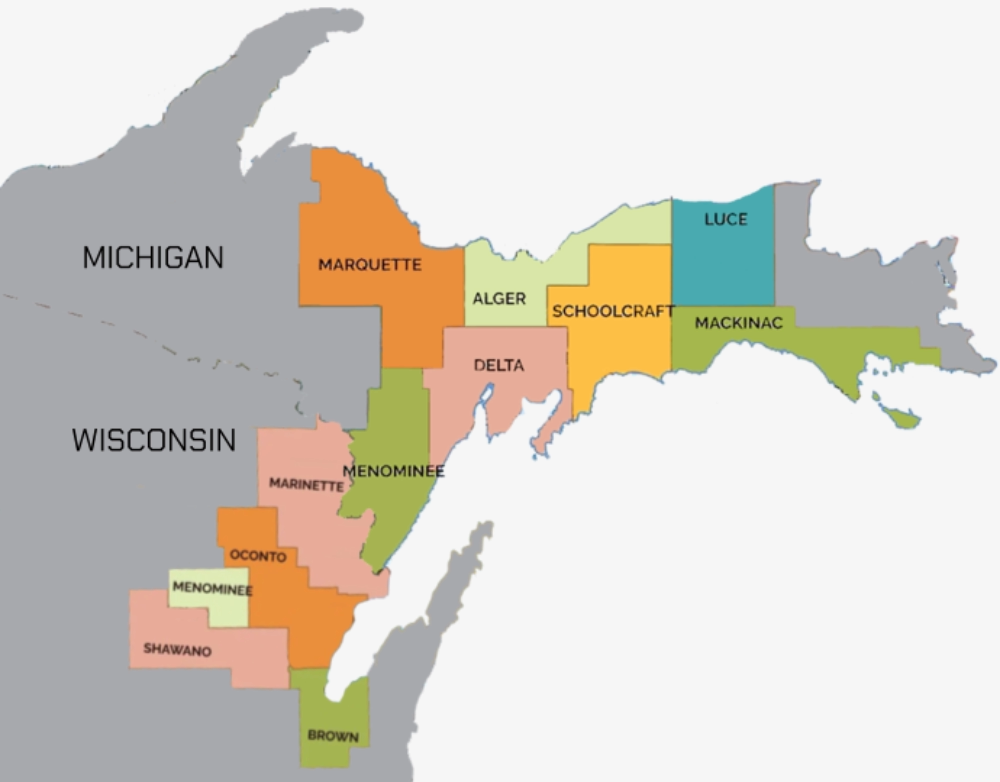

COUNTIES SERVICED
MICHIGAN AND WISCONSIN
Alger County
Brown County
Delta County
Luce County
Mackinac County
Marinette County
Marquette County
Menominee Counties
Oconto County
Schoolcraft County
Shawano County

- IDENTIFY A PEST -
- CARPENTER ANTS -
Latin Name: Genus Camponotus
Length: 5/8 in
Color: Red, Black, Brown, Yellow, Gray or Combination
Sounds: ---
Digestive Tract: Yes
PEST OVERVIEW
Carpenter ants are one of natures most aggressive wood destroyers. Similar to termites, carpenter ants damage wood. Unlike termites
however, carpenter ants do not eat wood for food. Carpenter ants only bore into wood to establish and/or enlarge their nest.
Carpenter ants can be considered wood destroying pests because of their ability to cause damage to wood. If carpenter ant nests are left
untreated and undisturbed, the shear numbers of ants can be enormous and the resulting damage caused by “mining” of wood to increase
the nest can be substantial.
WHY DO I HAVE THEM?
Typically, carpenter ants typically seek wood that has been softened by moisture, decay or other insects. They may discover your home is a
suitable location when they are seeking drier conditions. They wander in through narrow gaps and holes they discover around the outside of
the home, and look for a protected cavity in which to set up a new home.
They often discover voids already in existence, such as hollow doors, wall voids, spaces between insulation and flooring in the crawl space.
They may go to the trouble to make their own cavities, excavating the wood using their strong jaws to bite off tiny pieces of wood until a
chamber is formed.
TIPS FOR CONTROL
To get your pest problem under control, inspection is the first and foremost step. This holds true whether you are tackling the situation
yourself or you are interested in a free estimate from our trained, experienced staff. Additional tips for prevention:
•
Eliminate unwanted wood to reduce nesting sites
•
When removing trees also remove the tree roots
•
Store firewood in an elevated place away from home
•
Remove excess moisture on wood indoors and keep wood dry
•
Trim tree and shrubbery branches so they don’t touch exterior of home
•
Seal holes and gaps on exterior of home


OUR SERVICE AREA
Phone: (715) 696-6446
Email: cleankill@cleankillpc.com
Mailing Address:
PO Box 26
Niagara, WI 54151
Copyright © 2026 Clean Kill Pest Control LLC.
Site design & hosting by North Country Website Design↗
Upper Peninsula and
Northern Wisconsin
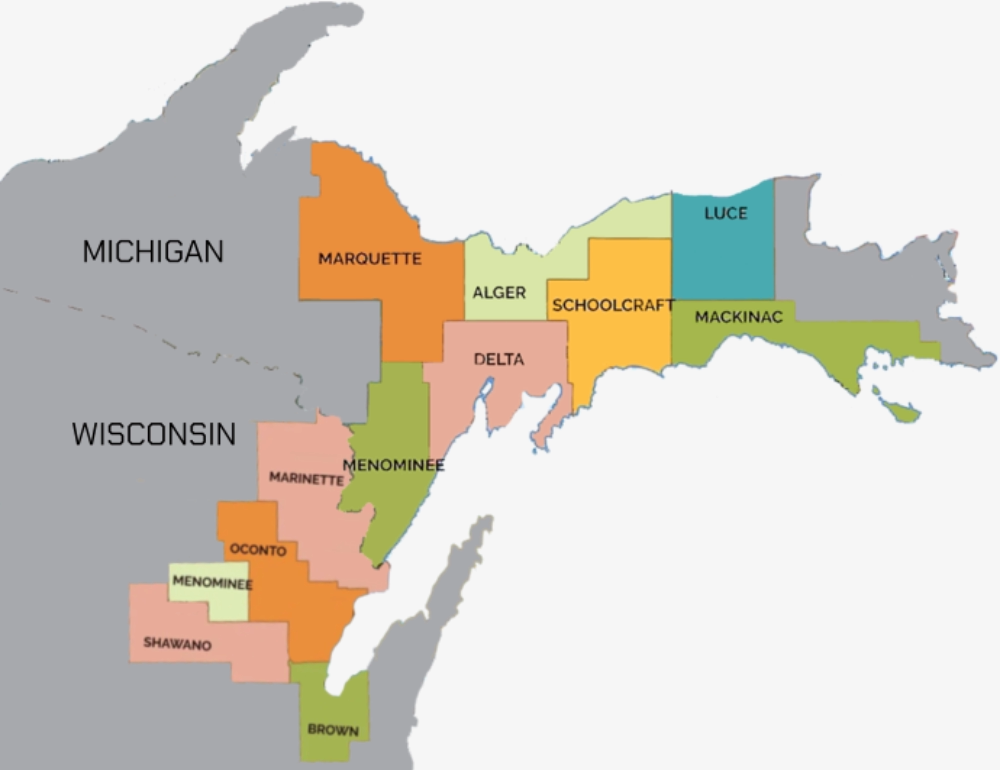

COUNTIES SERVICED
MICHIGAN AND WISCONSIN
Alger County
Brown County
Delta County
Luce County
Mackinac County
Marinette County
Marquette County
Menominee Counties
Oconto County
Schoolcraft County
Shawano County

- IDENTIFY A PEST -
- CARPENTER ANTS -
Latin Name: Genus Camponotus
Length: 5/8 in
Color: Red, Black, Brown, Yellow, Gray or Combination
Sounds: ---
Digestive Tract: Yes
PEST OVERVIEW
Carpenter ants are one of natures most aggressive wood destroyers. Similar to termites, carpenter ants damage
wood. Unlike termites however, carpenter ants do not eat wood for food. Carpenter ants only bore into wood to
establish and/or enlarge their nest.
Carpenter ants can be considered wood destroying pests because of their ability to cause damage to wood. If
carpenter ant nests are left untreated and undisturbed, the shear numbers of ants can be enormous and the
resulting damage caused by “mining” of wood to increase the nest can be substantial.
WHY DO I HAVE THEM?
Typically, carpenter ants typically seek wood that has been softened by moisture, decay or other insects. They
may discover your home is a suitable location when they are seeking drier conditions. They wander in through
narrow gaps and holes they discover around the outside of the home, and look for a protected cavity in which to set
up a new home.
They often discover voids already in existence, such as hollow doors, wall voids, spaces between insulation and
flooring in the crawl space. They may go to the trouble to make their own cavities, excavating the wood using their
strong jaws to bite off tiny pieces of wood until a chamber is formed.
TIPS FOR CONTROL
To get your pest problem under control, inspection is the first and foremost step. This holds true whether you are
tackling the situation yourself or you are interested in a free estimate from our trained, experienced staff.
Additional tips for prevention:
•
Eliminate unwanted wood to reduce nesting sites
•
When removing trees also remove the tree roots
•
Store firewood in an elevated place away from home
•
Remove excess moisture on wood indoors and keep wood dry
•
Trim tree and shrubbery branches so they don’t touch exterior of home
•
Seal holes and gaps on exterior of home


OUR SERVICE AREA

Phone: (715) 696-6446
Email: cleankill@cleankillpc.com
Mailing Address:
PO Box 26
Niagara, WI 54151
Copyright 2026 Clean Kill Pest Control LLC.
Upper Peninsula and Northern Wisconsin
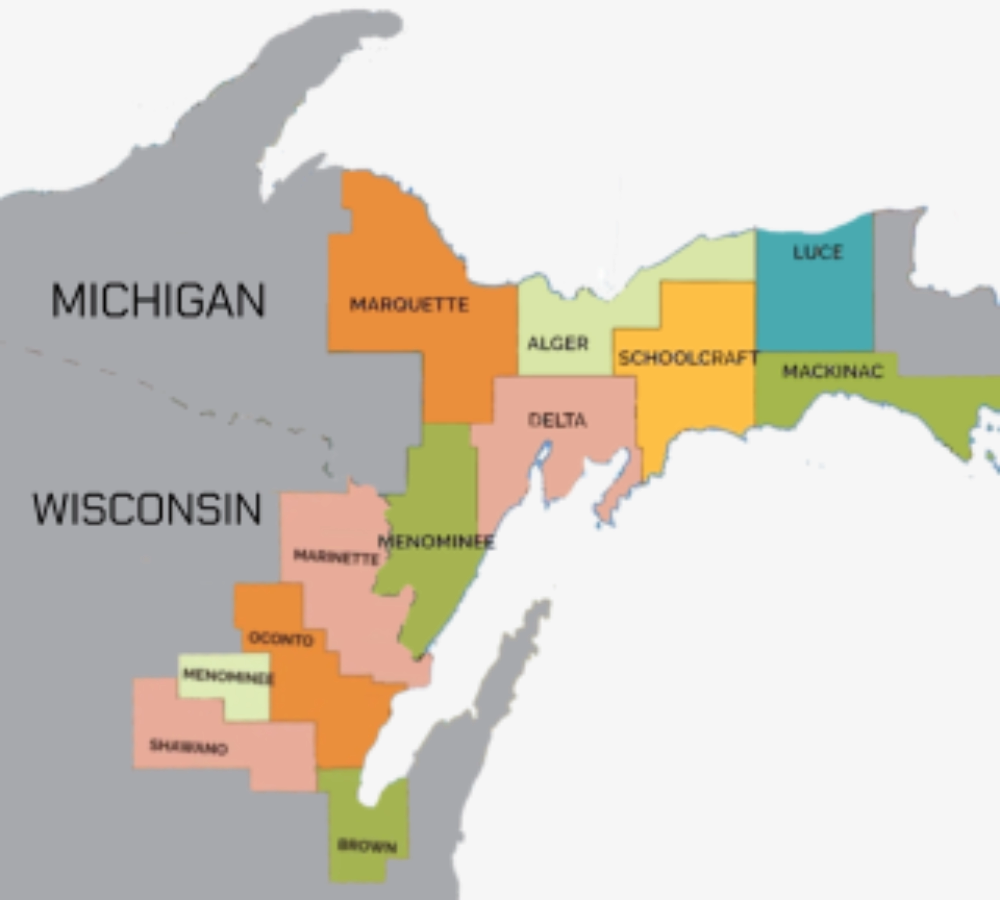

COUNTIES SERVICED
MICHIGAN AND WISCONSIN
Alger County
Brown County
Delta County
Luce County
Mackinac County
Marinette County
Marquette County
Menominee Counties
Oconto County
Schoolcraft County
Shawano County
- IDENTIFY A PEST -
- CARPENTER ANTS -
Latin Name: Genus Camponotus
Length: 5/8 in
Color: Red, Black, Brown, Yellow, Gray or
Combination
Sounds: ---
Digestive Tract: Yes
PEST OVERVIEW
Carpenter ants are one of natures most
aggressive wood destroyers. Similar to
termites, carpenter ants damage wood. Unlike
termites however, carpenter ants do not eat
wood for food. Carpenter ants only bore into
wood to establish and/or enlarge their nest.
Carpenter ants can be considered wood
destroying pests because of their ability to
cause damage to wood. If carpenter ant nests
are left untreated and undisturbed, the shear
numbers of ants can be enormous and the
resulting damage caused by “mining” of wood
to increase the nest can be substantial.
WHY DO I HAVE THEM?
Typically, carpenter ants typically seek wood
that has been softened by moisture, decay or
other insects. They may discover your home is
a suitable location when they are seeking drier
conditions. They wander in through narrow gaps
and holes they discover around the outside of
the home, and look for a protected cavity in
which to set up a new home.
They often discover voids already in existence,
such as hollow doors, wall voids, spaces
between insulation and flooring in the crawl
space. They may go to the trouble to make their
own cavities, excavating the wood using their
strong jaws to bite off tiny pieces of wood until
a chamber is formed.
TIPS FOR CONTROL
To get your pest problem under control,
inspection is the first and foremost step. This
holds true whether you are tackling the
situation yourself or you are interested in a free
estimate from our trained, experienced staff.
Additional tips for prevention:
•
Eliminate unwanted wood to reduce nesting
sites
•
When removing trees also remove the tree
roots
•
Store firewood in an elevated place away
from home
•
Remove excess moisture on wood indoors
and keep wood dry
•
Trim tree and shrubbery branches so they
don’t touch exterior of home
•
Seal holes and gaps on exterior of home
