
OUR SERVICE AREA

Phone: (715) 696-6446
Email: cleankill@cleankillpc.com
Mailing Address:
PO Box 26
Niagara, WI 54151
Copyright © 2026 Clean Kill Pest Control LLC.
Site design & hosting by North Country Website Design↗
Upper Peninsula and
Northern Wisconsin
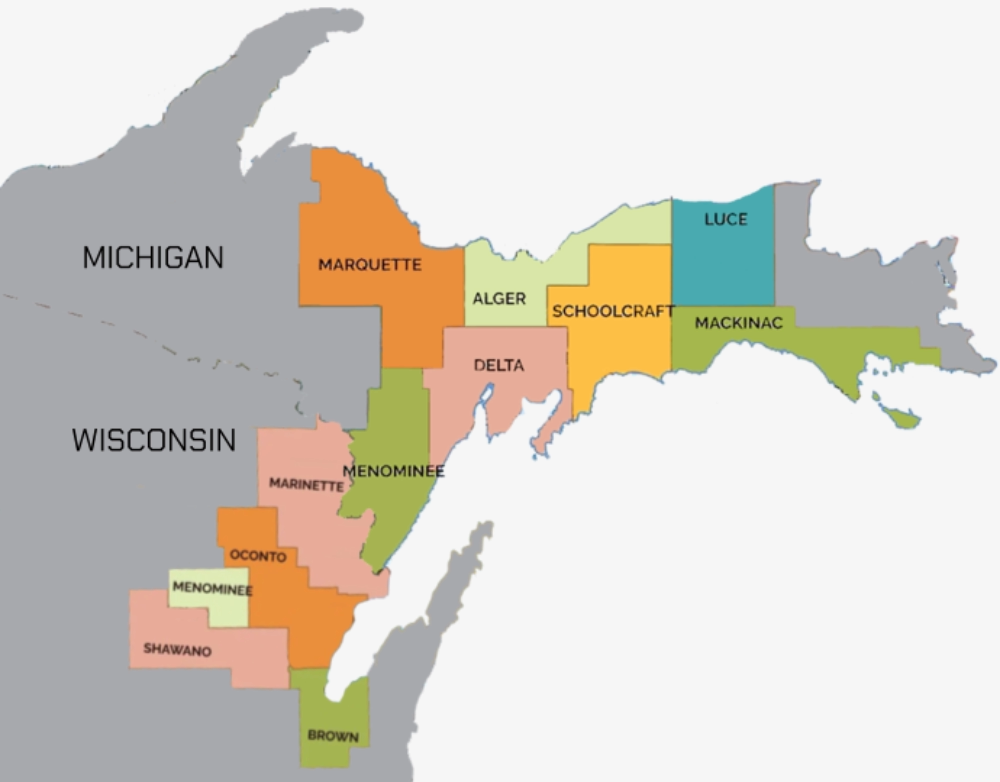

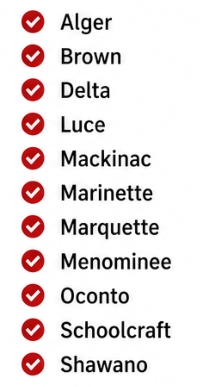
COUNTIES SERVICED
MICHIGAN AND WISCONSIN
Alger County
Brown County
Delta County
Luce County
Mackinac County
Marinette County
Marquette County
Menominee Counties
Oconto County
Schoolcraft County
Shawano County

- IDENTIFY A PEST -
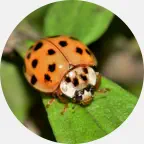
- LADYBUG -
Latin Name: Family Coccinellidae
Length: 3/8 in
Color: Red, Orange, Yellow or Brown with Dark Spots
Sounds: ---
Digestive Tract: Yes
PEST OVERVIEW
Ladybugs are also known as lady beetles or ladybird beetles, and there are about 5,000 different species of ladybugs in the world. They are
adored by farmers because they eat aphids and other plant-eating pests. Ladybugs are happy in many different habitats, including
grasslands, forests, cities, suburbs, and along rivers.
They have colorful markings and secrete foul-tasting fluids from joints in their legs to deter predators. Birds are their primary predator but
they are also prey for spiders, frogs, wasps and dragonflies.
WHY DO I HAVE THEM?
In the autumn, ladybugs seek protected places to hibernate for winter including under leaves, rocks, landscape timbers, buildings and homes.
They have discovered that heated buildings are ideal for surviving the cold of winter.
When the autumn sun warms the southern and western walls of buildings ladybugs are attracted to the warmth, and they crawl inside cracks
and stay there for the winter. Normally this would be fine, but on warm winter days, ladybugs can wake up and enter buildings through
electrical outlets or openings in walls.
TIPS FOR CONTROL
To get your pest problem under control, inspection is the first and foremost step. This holds true whether you are tackling the situation
yourself or you are interested in a free estimate from our trained, experienced staff. A large infestation is difficult to correct without the
assistance of a professional. Additional tips for prevention:
•
Seal gaps and cracks on building exterior
•
Repair or replace damaged windows and doors
•
Patch any holes that lead to attic
•
Pay close attention to siding, soffit and gable vents
•
Pay close attention to pipes, conduit and utility wires


OUR SERVICE AREA
Phone: (715) 696-6446
Email: cleankill@cleankillpc.com
Mailing Address:
PO Box 26
Niagara, WI 54151
Copyright © 2026 Clean Kill Pest Control LLC.
Site design & hosting by North Country Website Design↗
Upper Peninsula and
Northern Wisconsin
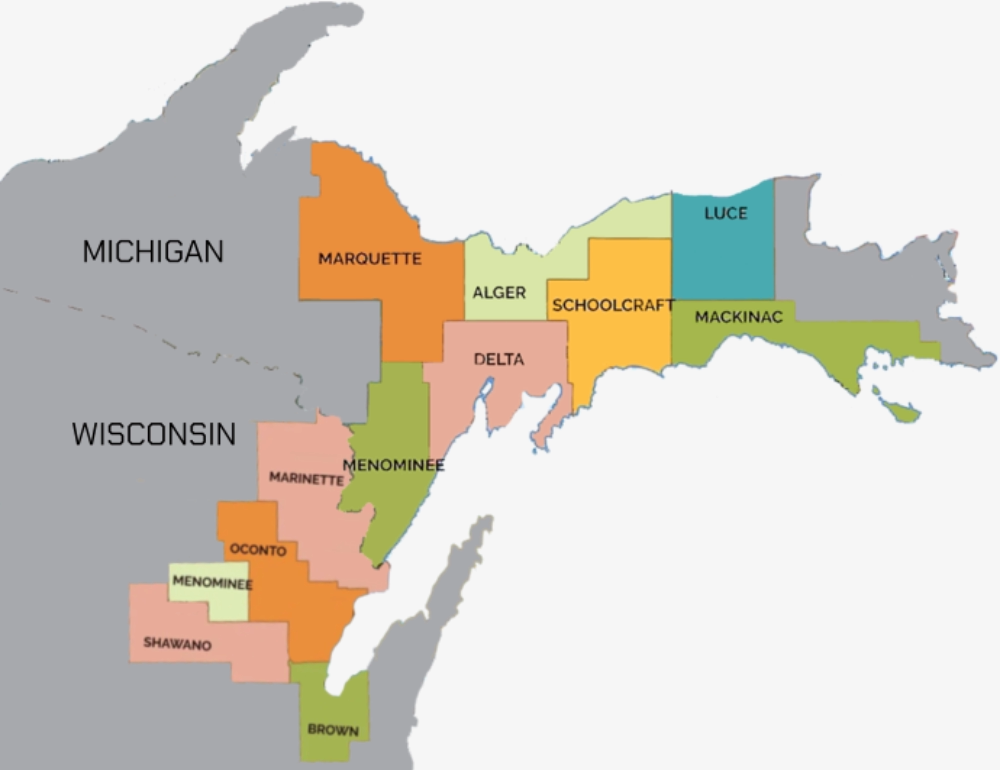

COUNTIES SERVICED
MICHIGAN AND WISCONSIN
Alger County
Brown County
Delta County
Luce County
Mackinac County
Marinette County
Marquette County
Menominee Counties
Oconto County
Schoolcraft County
Shawano County

- IDENTIFY A PEST -
- LADYBUG -
Latin Name: Family Coccinellidae
Length: 3/8 in
Color: Red, Orange, Yellow or Brown with Dark Spots
Sounds: ---
Digestive Tract: Yes
PEST OVERVIEW
Ladybugs are also known as lady beetles or ladybird beetles, and there are about 5,000 different species of
ladybugs in the world. They are adored by farmers because they eat aphids and other plant-eating pests. Ladybugs
are happy in many different habitats, including grasslands, forests, cities, suburbs, and along rivers.
They have colorful markings and secrete foul-tasting fluids from joints in their legs to deter predators. Birds are
their primary predator but they are also prey for spiders, frogs, wasps and dragonflies.
WHY DO I HAVE THEM?
In the autumn, ladybugs seek protected places to hibernate for winter including under leaves, rocks, landscape
timbers, buildings and homes. They have discovered that heated buildings are ideal for surviving the cold of winter.
When the autumn sun warms the southern and western walls of buildings ladybugs are attracted to the warmth,
and they crawl inside cracks and stay there for the winter. Normally this would be fine, but on warm winter days,
ladybugs can wake up and enter buildings through electrical outlets or openings in walls.
TIPS FOR CONTROL
To get your pest problem under control, inspection is the first and foremost step. This holds true whether you are
tackling the situation yourself or you are interested in a free estimate from our trained, experienced staff. A large
infestation is difficult to correct without the assistance of a professional. Additional tips for prevention:
•
Seal gaps and cracks on building exterior
•
Repair or replace damaged windows and doors
•
Patch any holes that lead to attic
•
Pay close attention to siding, soffit and gable vents
•
Pay close attention to pipes, conduit and utility wires


OUR SERVICE AREA

Phone: (715) 696-6446
Email: cleankill@cleankillpc.com
Mailing Address:
PO Box 26
Niagara, WI 54151
Copyright 2026 Clean Kill Pest Control LLC.
Upper Peninsula and Northern Wisconsin
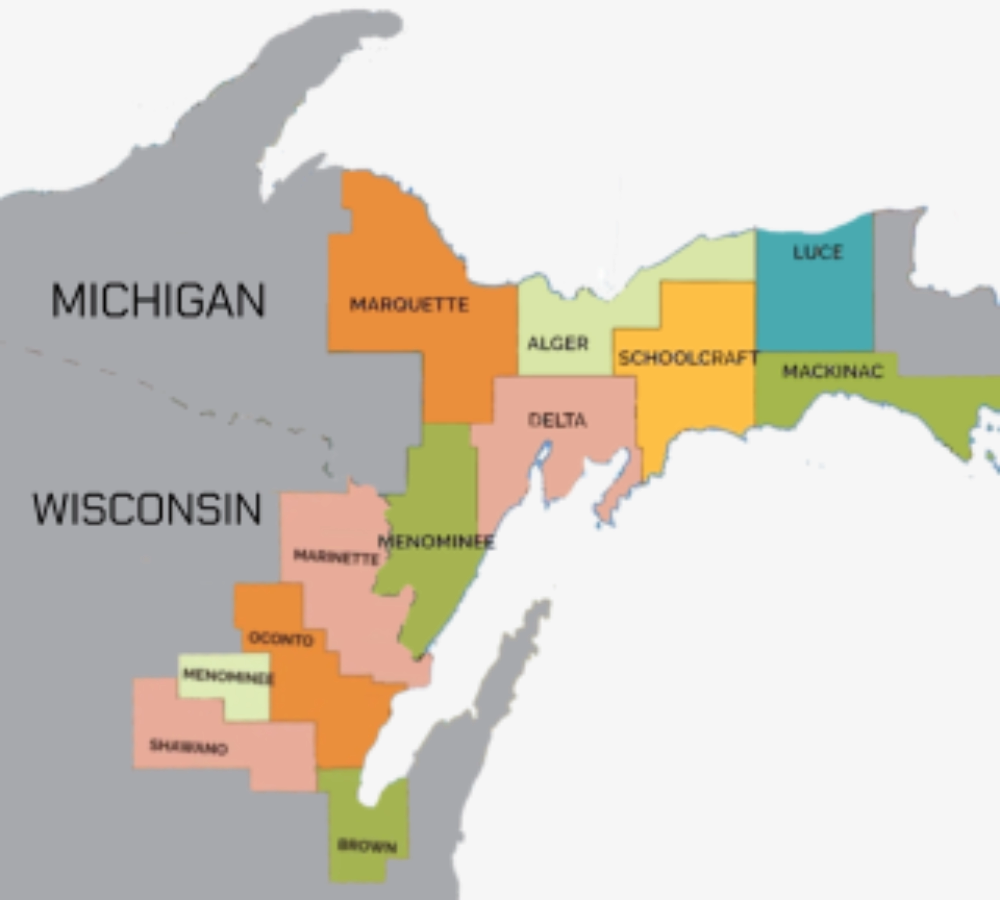

COUNTIES SERVICED
MICHIGAN AND WISCONSIN
Alger County
Brown County
Delta County
Luce County
Mackinac County
Marinette County
Marquette County
Menominee Counties
Oconto County
Schoolcraft County
Shawano County
- IDENTIFY A PEST -
- LADYBUG -
Latin Name: Family Coccinellidae
Length: 3/8 in
Color: Red, Orange, Yellow or Brown with Dark
Spots
Sounds: ---
Digestive Tract: Yes
PEST OVERVIEW
Ladybugs are also known as lady beetles or
ladybird beetles, and there are about 5,000
different species of ladybugs in the world. They
are adored by farmers because they eat aphids
and other plant-eating pests. Ladybugs are
happy in many different habitats, including
grasslands, forests, cities, suburbs, and along
rivers.
They have colorful markings and secrete foul-
tasting fluids from joints in their legs to deter
predators. Birds are their primary predator but
they are also prey for spiders, frogs, wasps and
dragonflies.
WHY DO I HAVE THEM?
In the autumn, ladybugs seek protected places
to hibernate for winter including under leaves,
rocks, landscape timbers, buildings and homes.
They have discovered that heated buildings are
ideal for surviving the cold of winter.
When the autumn sun warms the southern and
western walls of buildings ladybugs are
attracted to the warmth, and they crawl inside
cracks and stay there for the winter. Normally
this would be fine, but on warm winter days,
ladybugs can wake up and enter buildings
through electrical outlets or openings in walls.
TIPS FOR CONTROL
To get your pest problem under control,
inspection is the first and foremost step. This
holds true whether you are tackling the
situation yourself or you are interested in a free
estimate from our trained, experienced staff. A
large infestation is difficult to correct without
the assistance of a professional. Additional tips
for prevention:
•
Seal gaps and cracks on building exterior
•
Repair or replace damaged windows and
doors
•
Patch any holes that lead to attic
•
Pay close attention to siding, soffit and
gable vents
•
Pay close attention to pipes, conduit and
utility wires
