
OUR SERVICE AREA

Phone: (715) 696-6446
Email: cleankill@cleankillpc.com
Mailing Address:
PO Box 26
Niagara, WI 54151
Copyright © 2026 Clean Kill Pest Control LLC.
Site design & hosting by North Country Website Design↗
Upper Peninsula and
Northern Wisconsin
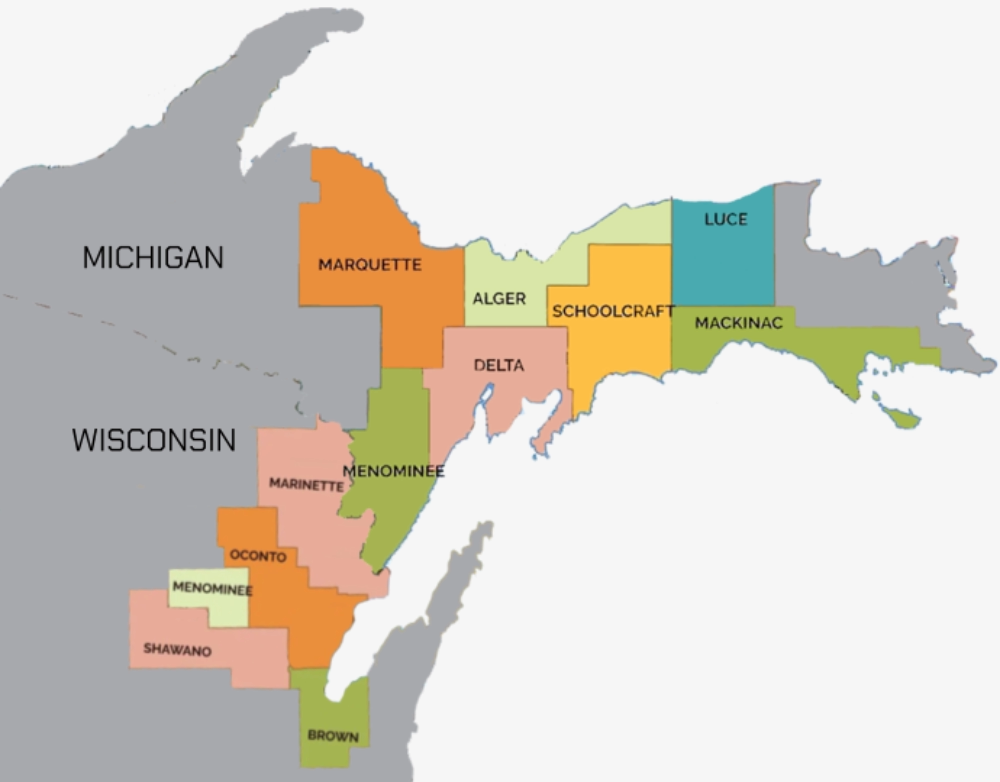

COUNTIES SERVICED
MICHIGAN AND WISCONSIN
Alger County
Brown County
Delta County
Luce County
Mackinac County
Marinette County
Marquette County
Menominee Counties
Oconto County
Schoolcraft County
Shawano County

- IDENTIFY A PEST -
- WASPS -
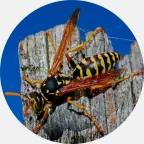
Latin Name: Family Vespidae
Length: 5/8-3/4 in
Color: Brownish with Yellow/Red Marking
Sounds: Buzzing Sound
Digestive Tract:: Yes
PEST OVERVIEW
Wasps are distinguishable from bees by their pointed lower abdomens and the narrow “waist,” called a petiole, that separates the abdomen
from the thorax. All wasps build nests from wood fibers chewed into pulp to resemble a paper looking nest, whereas bees secrete a waxy
substance to construct their nests.
Wasps can either be social or solitary. Some wasp species are aggressive and will sting if they are threatened. Unlike honey bees, wasps are
capable of stinging multiple times. Wasps are used in agriculture to control pests and some wasps are pollinators and help with plant
fertilization.
WHY DO I HAVE THEM?
Typically, wasps build their nests outside in residential areas. Although, wasps will get indoors by accident or when looking for nesting sites,
food sources or a place to hibernate in the winter.
Generally, wasps get in through openings that lead inside our homes and commercial buildings. An indoor infestation generally will not occur
unless wasps can gain entry to walls, attic spaces, etc to build their nest. Wasps that nest inside may cause damage to wallboard or ceilings.
TIPS FOR CONTROL
To get your pest problem under control, inspection is the first and foremost step. This holds true whether you are tackling the situation
yourself or you are interested in a free estimate from our trained, experienced staff. Additional tips for prevention:
•
Treat fences and deck railings with repellent oil
•
Clear garbage properly and place in sealed bin
•
Place water baths and nectar feeders upwind and away from home
•
Use insect mesh on soffits
•
Use permanent low wattage light where wasps like to nest


OUR SERVICE AREA
Phone: (715) 696-6446
Email: cleankill@cleankillpc.com
Mailing Address:
PO Box 26
Niagara, WI 54151
Copyright © 2026 Clean Kill Pest Control LLC.
Site design & hosting by North Country Website Design↗
Upper Peninsula and
Northern Wisconsin
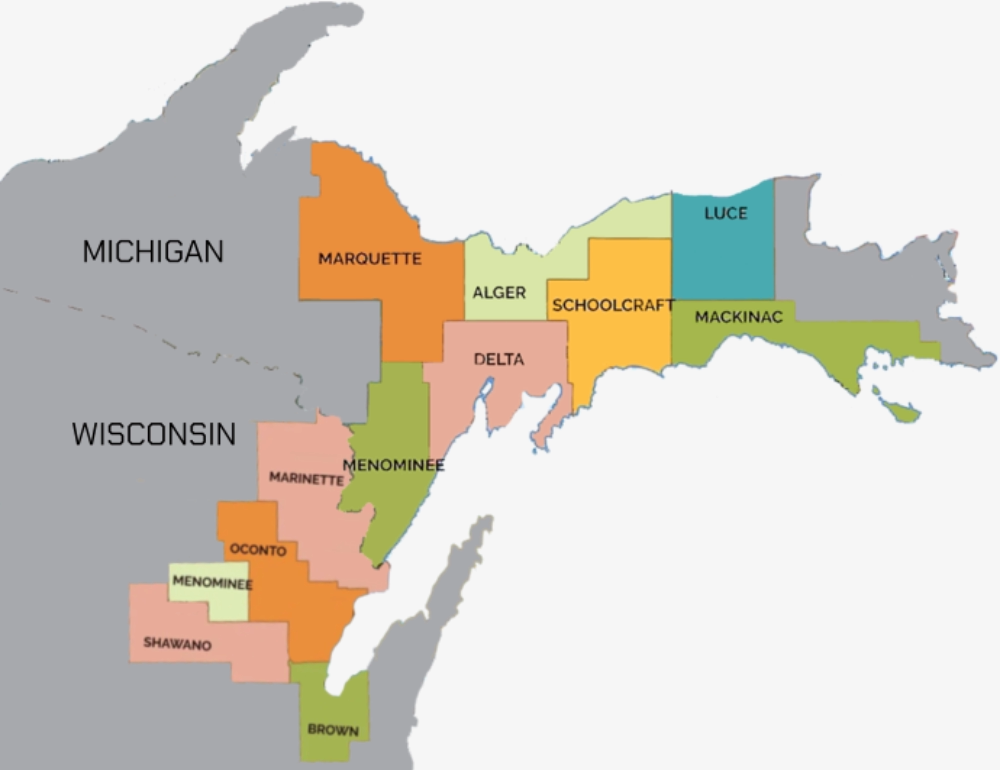

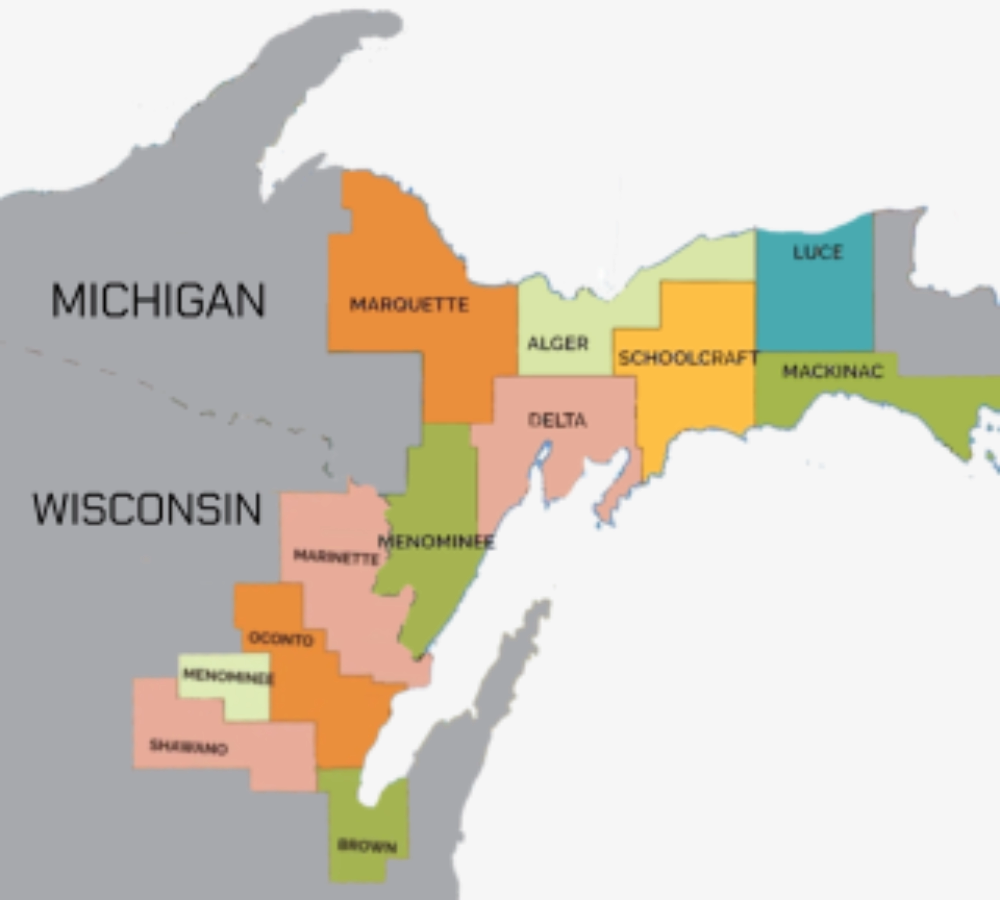
COUNTIES SERVICED
MICHIGAN AND WISCONSIN
Alger County
Brown County
Delta County
Luce County
Mackinac County
Marinette County
Marquette County
Menominee Counties
Oconto County
Schoolcraft County
Shawano County

- IDENTIFY A PEST -
- WASPS -
Latin Name: Family Vespidae
Length: 5/8-3/4 in
Color: Brownish with Yellow/Red Marking
Sounds: Buzzing Sound
Digestive Tract:: Yes
PEST OVERVIEW
Wasps are distinguishable from bees by their pointed lower abdomens and the narrow “waist,” called a petiole, that
separates the abdomen from the thorax. All wasps build nests from wood fibers chewed into pulp to resemble a
paper looking nest, whereas bees secrete a waxy substance to construct their nests.
Wasps can either be social or solitary. Some wasp species are aggressive and will sting if they are threatened.
Unlike honey bees, wasps are capable of stinging multiple times. Wasps are used in agriculture to control pests and
some wasps are pollinators and help with plant fertilization.
WHY DO I HAVE THEM?
Typically, wasps build their nests outside in residential areas. Although, wasps will get indoors by accident or when
looking for nesting sites, food sources or a place to hibernate in the winter.
Generally, wasps get in through openings that lead inside our homes and commercial buildings. An indoor
infestation generally will not occur unless wasps can gain entry to walls, attic spaces, etc to build their nest. Wasps
that nest inside may cause damage to wallboard or ceilings.
TIPS FOR CONTROL
To get your pest problem under control, inspection is the first and foremost step. This holds true whether you are
tackling the situation yourself or you are interested in a free estimate from our trained, experienced staff.
Additional tips for prevention:
•
Treat fences and deck railings with repellent oil
•
Clear garbage properly and place in sealed bin
•
Place water baths and nectar feeders upwind and away from home
•
Use insect mesh on soffits
•
Use permanent low wattage light where wasps like to nest


OUR SERVICE AREA

Phone: (715) 696-6446
Email: cleankill@cleankillpc.com
Mailing Address:
PO Box 26
Niagara, WI 54151
Copyright 2026 Clean Kill Pest Control LLC.
Upper Peninsula and Northern Wisconsin

COUNTIES SERVICED
MICHIGAN AND WISCONSIN
Alger County
Brown County
Delta County
Luce County
Mackinac County
Marinette County
Marquette County
Menominee Counties
Oconto County
Schoolcraft County
Shawano County
- IDENTIFY A PEST -
- WASPS -
Latin Name: Family Vespidae
Length: 5/8-3/4 in
Color: Brownish with Yellow/Red Marking
Sounds: Buzzing Sound
Digestive Tract:: Yes
PEST OVERVIEW
Wasps are distinguishable from bees by their
pointed lower abdomens and the narrow “waist,”
called a petiole, that separates the abdomen
from the thorax. All wasps build nests from
wood fibers chewed into pulp to resemble a
paper looking nest, whereas bees secrete a
waxy substance to construct their nests.
Wasps can either be social or solitary. Some
wasp species are aggressive and will sting if
they are threatened. Unlike honey bees, wasps
are capable of stinging multiple times. Wasps
are used in agriculture to control pests and
some wasps are pollinators and help with plant
fertilization.
WHY DO I HAVE THEM?
Typically, wasps build their nests outside in
residential areas. Although, wasps will get
indoors by accident or when looking for nesting
sites, food sources or a place to hibernate in
the winter.
Generally, wasps get in through openings that
lead inside our homes and commercial
buildings. An indoor infestation generally will
not occur unless wasps can gain entry to walls,
attic spaces, etc to build their nest. Wasps that
nest inside may cause damage to wallboard or
ceilings.
TIPS FOR CONTROL
To get your pest problem under control,
inspection is the first and foremost step. This
holds true whether you are tackling the
situation yourself or you are interested in a free
estimate from our trained, experienced staff.
Additional tips for prevention:
•
Treat fences and deck railings with repellent
oil
•
Clear garbage properly and place in sealed
bin
•
Place water baths and nectar feeders
upwind and away from home
•
Use insect mesh on soffits
•
Use permanent low wattage light where
wasps like to nest
